Why “At My Age” Is a Dangerous Sentence in Midlife
In midlife, many women live a modern life while speaking to themselves in old language—without noticing how much it shapes their days. This piece explores where that language comes from, why it sticks, and how the vocabulary you live in can shrink (or expand) what feels possible.
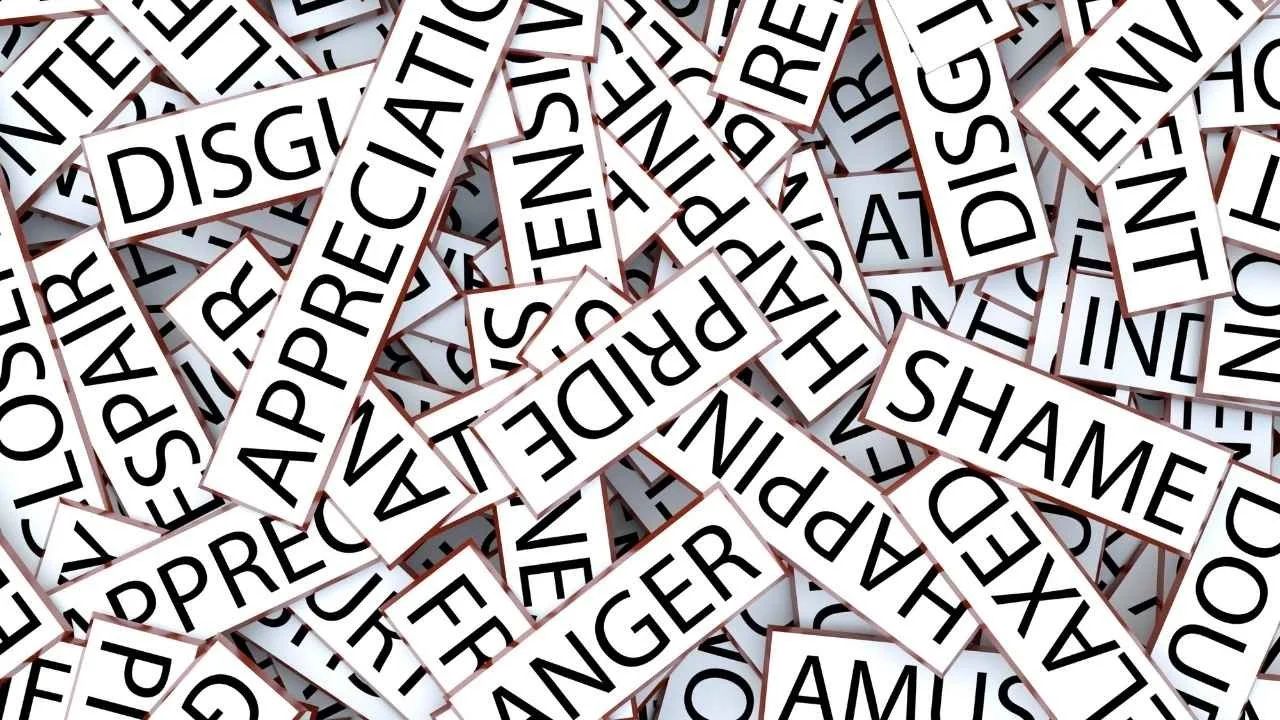
“The words we repeat most easily are often the ones shaping us most deeply.”
Dr. Oksana Skidan
The First Sentence of the Day Matters
Language is rarely as innocent as it sounds. The words we repeat most often may seem casual, ordinary, almost too familiar to notice, and yet they shape far more than conversation. Repeated phrases become atmosphere. They become expectation. They begin telling the mind what kind of life it is living, what is possible, what is difficult, what should now be accepted. The words said most easily are often the ones working most deeply, precisely because they no longer sound like choices. They sound like truth.
Sometimes the day has not even fully begun, and the sentence is already there.
Today is going to be hard.
Or: I just need to get through today.
Or: Friday I have that presentation, and I am already freaking out.
Or one I hear more and more from women in midlife: well, at my age.
What interests me is how ordinary these phrases sound. The phrases we say so easily that we hardly hear them anymore. The ones that sound like personality, realism, habit, common sense. The ones that slip in before coffee, before sunlight has fully settled into the room, before life has even opened — and already place a frame around what will follow.
Continue Reading - The Art of Doing Nothing: Why Rest Feels Like Wasted Time in Midlife
How Negative Self-Talk Shapes Your Mood and Motivation
The more I listen to these phrases, the more I realize they are rarely just descriptions. They are directions.
What we say in those first moments does not simply reflect how we feel. It begins to tell the mind where to look, what to expect, what to confirm. Almost like a private Google search: give it a phrase, and it starts looking for proof.
If I say, today is going to be hard, some part of me begins organizing around hardness before the day has even had a chance to become itself. If I say, I just need to get through today, then already I am not entering the day — I am enduring it.
That is what makes ordinary language so powerful. It does not announce itself as power, and yet it shapes our entire life.
Continue Reading - Spring in Midlife: What Had Been Missing Was Permission
Words We Did Not Choose
Most of the words we say on a daily basis are not really ours, at least not in the beginning. We heard them somewhere. Once, twice, then so many times that they settled into us and began to sound natural.
You can always hear this in children. A small child says something, and you know immediately that the phrase did not come from the child’s own understanding. It came from an adult nearby. Sometimes it is funny. Sometimes it is almost startling. The child is simply repeating the world that has been spoken around them.
Later, we do something very similar, only with much more confidence. We carry phrases from family, from culture, from the generation before us, and over time we stop hearing them as borrowed. They begin to sound like truth. Like character. Like the way life is.
And that is where it becomes interesting to me, especially in midlife. Because a woman can be living a very modern life and still be speaking herself through language that belongs to an older one.
Explore The Create Your Midlife™ podcast for thoughtful conversations on midlife, self-trust, and creating what comes next.
Old Vocabulary, New Life: The Midlife Language Gap
This is the part I keep noticing more and more when I listen to women in midlife speak.
We are living lives our mothers and grandmothers often did not have. We live longer. We have more education, more movement, more access, more possibility. Our lives, in so many ways, are fuller, wider, and far less defined by one narrow script. And yet, the language many women still use about themselves often belongs to another era entirely.
At my age.
I need to settle.
It’s too late for that now.
This is just how it is.
I hear these phrases, and they always strike me as strangely out of place, as if a woman is standing in a very contemporary life while speaking herself through an older world. Her reality has changed, but her vocabulary has not fully caught up with it.
And language matters here more than we think. Because the words may sound casual, but they are not casual in their effect. They begin to tell her what stage she is in, what is still available, what is no longer appropriate, what she should stop wanting, what she should now accept. And all of that can happen before she has consciously chosen any of it. The words repeated most often become normal.
What becomes normal begins to feel true. What feels true begins to shape identity, expectation, and permission.
Continue Reading - The Permission Slip: How to Thrive in Midlife
How to Change Negative Self-Talk in Midlife
In the last several years, I have found myself paying closer attention to how midlife women speak. Not in any formal way. More as a woman listening to other women and noticing what keeps appearing in the language.
And then, naturally, I began listening more carefully to myself.
Which phrases still rise in me from the past? Which ones came from my mother, or my grandmother, or simply from the world that formed me? Which ones enter my day so easily that I no longer question them, even though they do not really belong to the life I live now?
That has become a daily practice for me. Not correcting myself all day long. Not turning language into a project. Just noticing. Hearing the old phrase when it appears. Feeling the age of it. Realizing that some of the words still shaping me were chosen long before I had any say in them.
Continue Reading - Why Midlife Women Need Silence More Than Ever
Learning a New Vocabulary for the Life You Live Now
It is not too late to learn new language for yourself. And it is not too late to unlearn the language that has been quietly closing doors before the day even begins.
We inherit so many phrases as if they were facts. “You can’t teach an old dog new tricks” is one of them. And to that, I would say very simply: yes, you can.
You can learn a new way to speak to yourself at forty, at fifty, at sixty, and beyond. You can notice the sentence that belongs to an older world and decide that it does not get to narrate this one. You can hear “at my age” and stop right there. You can hear “it’s too late” and realize that the phrase itself is older than the life standing in front of you.
I do not mean replacing everything with bright slogans and polished affirmations. I mean something quieter, and in many ways more powerful: choosing words that actually fit the life you are living now. Words that are realistic and modern. Words that do not reduce a woman before the day has even begun.
Midlife is not only a time to rethink habits, relationships, priorities, or the shape of the life around us. It is also a time to rethink vocabulary.
Because a woman may be living in the present and still speaking herself through an older life.
And the words she repeats most easily, the ones that sound the most ordinary, are often the ones shaping her most deeply.
Thank you for reading. I’m so glad you’re here — and I hope you’ll come back for more encouragement and practical ideas about creating your midlife.
If you’d like more inspiration and guidance on how to Create Your Midlife, subscribe to The Create Letter — my free weekly newsletter for women creating their midlife, one choice at a time.
FAQs About Negative Self-Talk, Old Language, and Midlife Vocabulary
1. Why does negative self-talk get worse in midlife?
Negative self-talk can feel stronger in midlife because many women repeat the same limiting phrases for years. Words like “today is going to be hard,” “I just need to get through today,” and “at my age” start shaping mood, expectation, and confidence before the day even begins.
2. How do words affect your mindset in midlife?
The words you use every day affect your mindset by training your mind what to expect. Repeated phrases can increase stress, lower motivation, and make life feel smaller. Everyday language does not only describe your day. It helps create it.
3. Why do women in midlife still use old limiting language?
Many women in midlife still speak in old language because those phrases came from family, culture, childhood, and earlier generations. Over time, inherited words start to sound normal, even when they no longer match the life a woman is living now.
4. Why is “at my age” a harmful phrase for women?
“At my age” can be harmful because it quietly turns age into limitation. It can make a woman shrink her choices, lower her expectations, and stop wanting what still matters to her. The phrase sounds casual, but its effect can be powerful.
5. How can I change negative self-talk without fake affirmations?
Start by noticing the phrases you repeat most often. Listen for words that feel old, limiting, or out of place in the life you live now. You do not need fake affirmations. You need language that feels true, current, and supportive of who you are now.
6. Where do I begin?
Start with a pause. Download my Free Create Your Midlife™ Resources, listen to the latest Create Your Midlife™ Podcast, and subscribe to The Create Letter™ — your weekly reminder that midlife is not a race. It’s your season to create forward, one intentional choice at a time.